
This week we spoke at the NPDC Council Meeting with our views about leaving LGNZ.
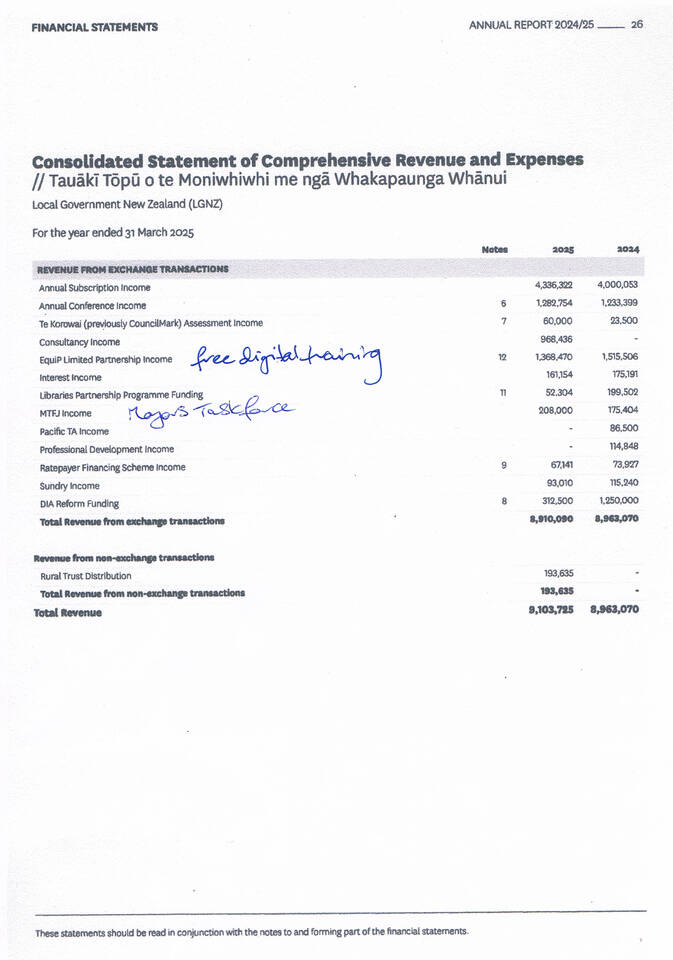
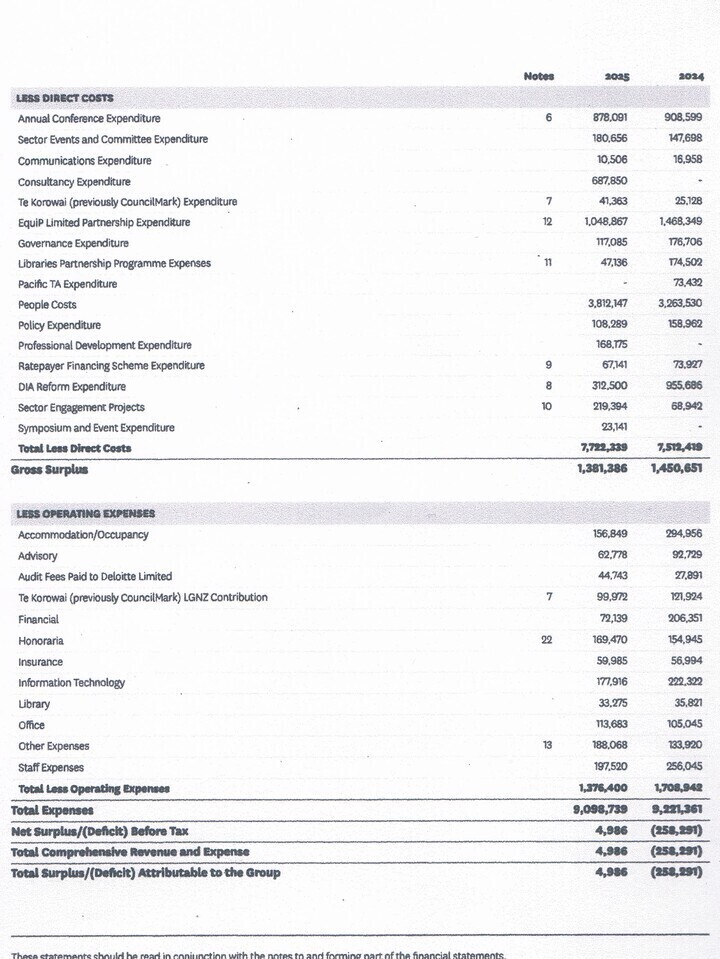
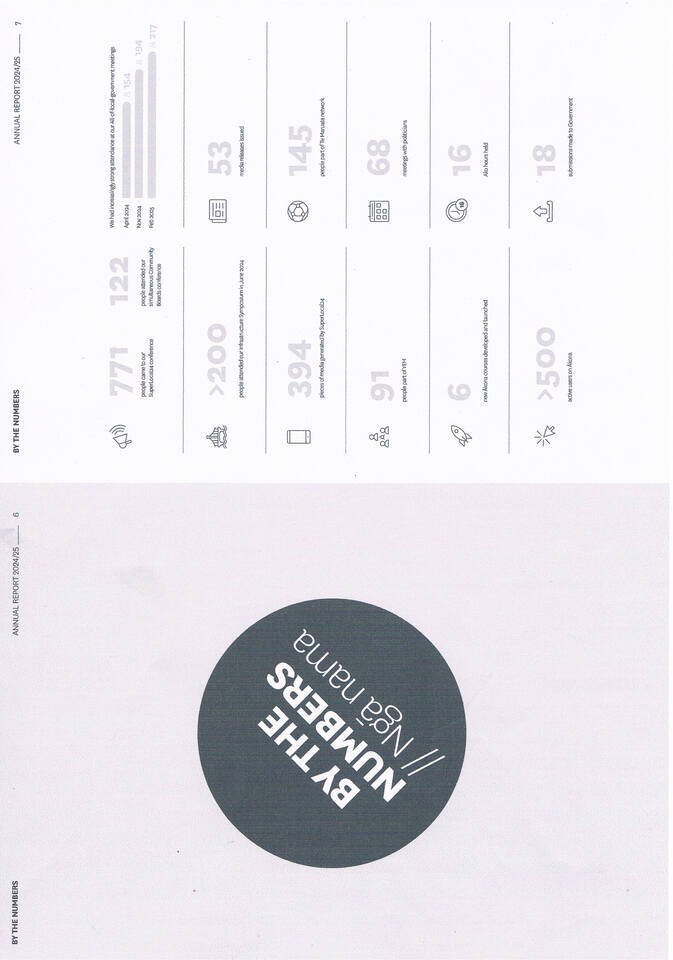
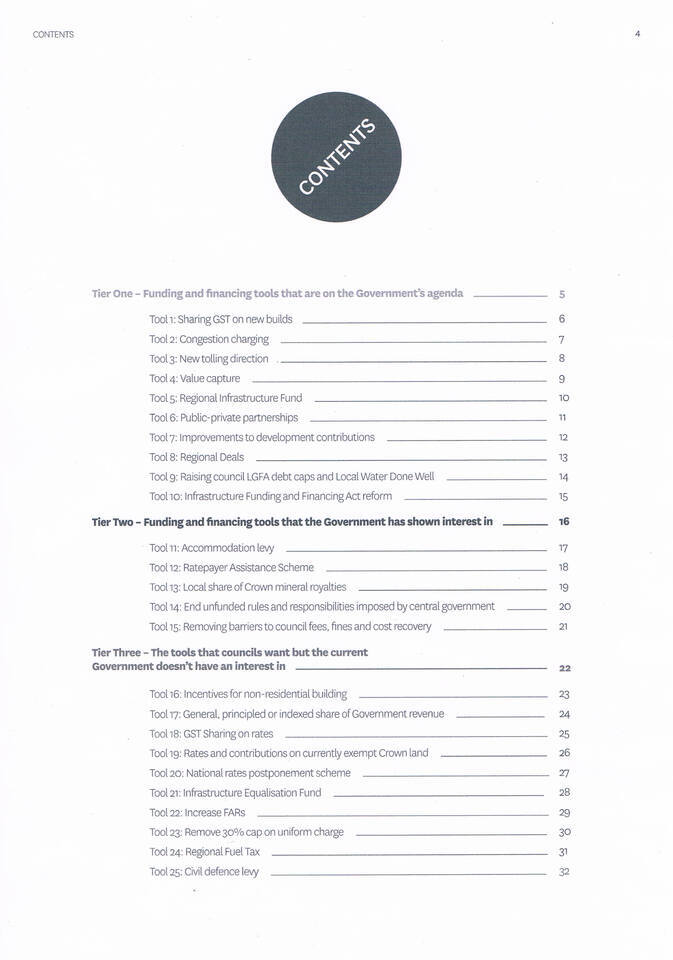

This is what we presented to the NPDC. The photos are the supporting documents.
Good morning. I’m here today to talk about LGNZ on behalf of the New Plymouth District Ratepayers Alliance.
I’d like to start by mentioning a few things.
Is there a reason these bigger issues that need decisions making are not advertised well in advance – so the community has a chance to have some input ?
Is there some reason the NPDC Facebook page doesn’t tell the community what is coming up when decisions need to be made ?
We only found out this decision was being made 2 days ago. We would have asked our supporters what they thought about continuing with LGNZ, but could not make that happen with just 2 days’ notice.
Someone at the NPDC managed to organise LGNZ to come last week to do a favourable presentation to this team – but they didn’t manage to advertise this to everyone else to see what their thoughts may be.
We would like to see more about decisions coming up being advertised to the general public, so they have a chance to have their say.
Before getting to our thoughts on leaving or staying with LGNZ, we’d also like to bring up how frustrating it is looking at these agendas for this team to make decisions about. There is often - a we should do this option - and - a we should not do this option – and that is all that you people get to vote on.
Whoever wrote the background for the agenda today is obviously a big supporter of LGNZ. There are a long list of reasons the NPDC must stay with LGNZ and then a reverse list of the same reasons why it would be bad to leave.
With very limited time for us to think of options to present to this meeting – only 2 days - we managed to think of another option – which we believe this team should be considering with their vote today.
Around 8 NZ Councils have left LGNZ in the last few years.
A much more useful background – and a third option for voting today - would have been to explore how would the NPDC operate if they did leave LGNZ. What would that look like ?
Why did the staff preparing this report for today not contact the councils who have left LGNZ - and report on how that is working ? How did those councils manage to set up their operations so they no longer needed to be with LGNZ.
What were the advantages of doing that – as those Councils have not rejoined LGNZ – so there must have been advantages.
Why is leaving LGNZ – and how other councils have made this work - not on this agenda as an option for you people to vote on today ?
We believe it should be.
So, what are the issues the Alliance have with LGNZ ?
We’re not sure where the work done by LGNZ crosses over with work the Governance and Regulatory staff do at the NPDC. Is there a double up of work being done by both the NPDC and LGNZ ?
Of the 822 staff employed by the NPDC, 4 work in Governance and 12 in regulatory roles. There has been mention in some commentary that more staff would need to be employed to take on the work the LGNZ does. But would they ? With 822 staff overall at the NPDC, perhaps there could be some shifts and changes of roles to pick up any additional work, if it was required.
The cost to belong to LGNZ in the agenda for today states the cost is $89,000. We did an OIA in 2024 – 2 years ago - and the cost to the NPDC then was just under $102,000. $89,000 seems a very old figure, and the $102,000 most likely has gone up since our OIA was done.
So, what is the actual cost for 2026 ? We think the figure in the agenda needs to be revisited so this team know exactly how much they are approving this year to belong to LGNZ.
Again, in today’s agenda we question a statement made. It is mentioned that LGNZ is an incorporated society – this is partly true. They are an incorporated society who are – TRADING AS Local Government NZ. This makes them a private business, as that is what Trading As means. A private business who is being mostly funded by rates income paid by ratepayers.
One of the biggest reasons we are not a fan of belonging to LGNZ is because ratepayers across the country provide the income for this organisation, but LGNZ have virtually no focus on the needs of ratepayers. The word ratepayer is hardly mentioned on their website.
LGNZ’s purpose stated on their website is - We represent the national interests of councils. This member organisation is heavily focused on their own relationship with government officials - and the interests of the people who work at Councils.
We see in recent times they have been working with Central Government to expand their business model and they are now being funded to do some work that the Department of Internal Affairs has been doing. We don’t know the detail of this, but we see in their financial statements from 2024 they have received $1.56 million in income from DIA reform funding.
Seriously – our councils choose to use our rates income to make a private business viable – and then that organisation uses money we pay with our rates to expand their business to do work for the central government.
As a taxpayer – what is a private business working on which is also coming from our taxes – and changing what a government department does – without asking taxpayers how they feel about that.
If LGNZ wants to operate as a private business – and they want to do consultancy work for the government – then please do that on their own dime – at their own risk – and not with ratepayer’s rates income.
We’ve had a look at how LGNZ makes their money and they do say it’s about community aspirations – but we don’t see a lot of that in their income figures. To be fair some of this revenue may be relevant to how services are delivered for ratepayers, but why are LGNZ doing so much work advising Councils, when staff are employed to do the same things.
The biggest earners for LGNZ are:
- $4.3 million for council membership fees – from our rates income
- $1.3 million for Equip Partnership Income – this is stated as free digital training since covid – it’s free to the Councils - but someone is paying for that free training – perhaps the taxpayer instead of the ratepayer ?
- $1.2 million for the annual conference – additional costs paid by ratepayers for council staff and elected officials to attend the conference
- Just under $1 million – for consultancy income – examples given are things like helping to hire CEO’s, or help setting up CCO’s. This is where as ratepayers we are already paying good incomes for council staff to do these roles, but consultancy work done with councils is a growing income earner for LGNZ.
Those are the bigger items of the $9.1 million revenue LGNZ took in last year.
LGNZ also has their annual report – “By the numbers” on their website – and some of the numbers are fairly underwhelming.
- 771 people at the Super Local Conference – their main event for the year
- 217 people at the all of government meetings – all of New Zealand Government – just 217 people
- 200 people at the infrastructure symposium
- Just 53 media releases
- 68 meetings with politicians
- Just 6 Akona new training programmes
- 500 active users on Akona – Just 500 active users from all New Zealand Councils using this training package ?
- 18 submissions made to government
As everyone knows with the Alliance we want to bring down what we pay in rates (and taxes) and we do not support any organisation who isn’t championing to reduce costs for ratepayers. LGNZ have made it plain they do not support rate caps – stating that would be impossible. LGNZ firmly believes new charges and levies will be needed to keep Councils running if rates caps are introduced.
The goals for LGNZ - 2 years ago - included a long list of new fees and levies they would like the government to introduce. 25 new taxes are on this list – and the government is quite keen to bring in some of them. The people of New Zealand do not need 25 new taxes to take away their hard earned income, and we do not want rates income being used to support a private business who thinks the communities role is to stump up for more taxes. (We have a copy of this list available if anyone would like to see it).
The last thing we want to talk about is the Ratepayers Assistance Scheme which is a new scheme being run through the LGFA (Local Government Funding Agency). LGNZ can see many ratepayers are struggling to pay the large increases with their rates.
So their answer ? Set up a new scheme where ratepayers can now borrow from the LGFA so they can pay their rates from a loan. It’s like a form of a Heartland Bank’s reverse Mortgage Scheme. The LGNZ answer is for ratepayers to mortgage their home to be able to pay their rates. They want ratepayers to get into a long term debt so they can stay living in their own home.
The answer should be - some sort of scheme to make sure the cost of rates come down so people can continue to afford to live, as well as own their own home outright.
And – to make this an even more distasteful situation - from the Alliance point of view – the LGNZ in the last two years has made a grand total of $141 thousand dollars from Ratepayer Financing Scheme Income – that is the cut they earn from the LGFA loans set up for ratepayers.
We just don’t agree with the way of thinking at LGNZ, and we don’t want ratepayers paying for this way of thinking.
So to finish. We want to recommend that the NPDC leaves LGNZ.
We would like to suggest the Council pays only the next 3 months in membership to LGNZ.
And in the next 3 months, we would like to see a staff member assigned to investigate what is working for the councils who have left LGNZ – and then come back to a Council Meeting with a model that will operate for NPDC if they were to leave.
We would like the people who vote around this table to be given real information - with real options – that they can then make a decision about.
Thank you for listening.
Posted: 27 Feb 2026